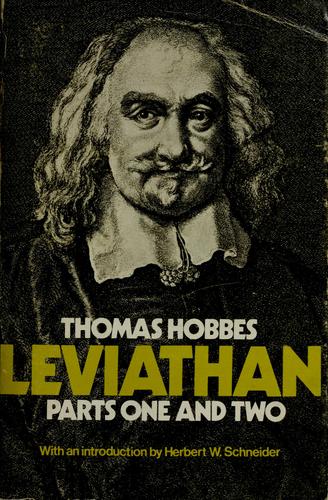
Cover via Open Library
Leviathan
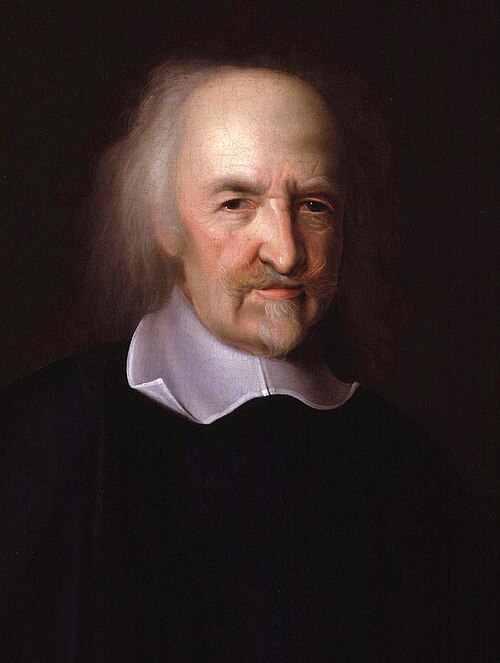 Thomas Hobbes
Leviathan or The Matter, Forme and Power of a Commonwealth Ecclesiasticall and Civil, commonly referred to as Leviathan, is a work of social and political theory by the English empiricist philosopher and political theorist Thomas Hobbes (1588–1679), published in 1651 (revised Latin edition 1668). Its name derives from the chaotic Leviathan sea serpent of the Hebrew Bible and earlier mythologies.
From Wikipedia · CC BY-SA 4.0
Vivek’s Notes
Advocates the rule of society by an absolute sovereign. Hobbes argued that in the absence of a person society either fears or is in awe of, mankind is always in a warlike condition.
Featured in LQL
- Non-Fiction · GW3 · Medium83% answered
More Essays & non-fiction in LQL
A Treatise of Human Nature
David Hume

A Walk in the Woods: Rediscovering America on the Appalachian Trail
Bill Bryson

All the President's Men
Bob Woodward and Carl Bernstein

Here Is New York
E. B. White
In Cold Blood
Truman Capote

Killers of the Flower Moon: The Osage Murders and the Birth of the FBI
David Grann

Philosophy and Poetry
María Zambrano
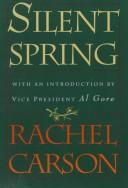
Silent Spring
Rachel Carson
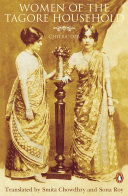
Thakurbarir Andarmahal
Chitra Deb

The Boys in the Boat: Nine Americans and Their Epic Quest for Gold at the 1936 Berlin Olympics
Daniel James Brown
The Condition of the Working Class in England
Friedrich Engels
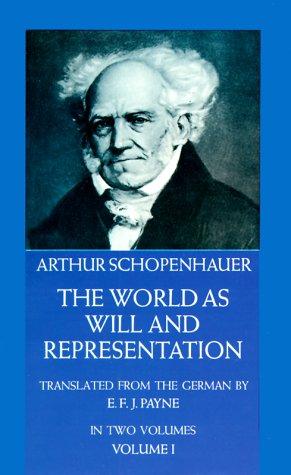
The World as Will and Representation
Arthur Schopenhauer